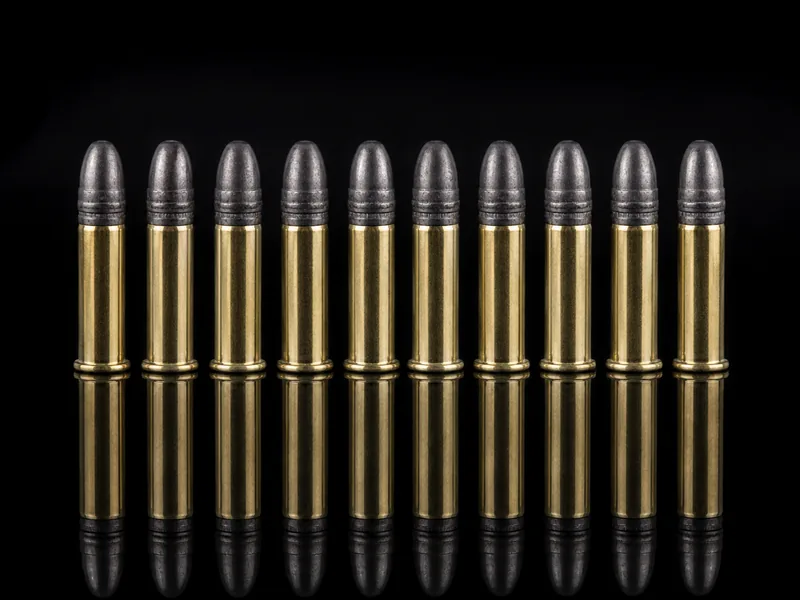
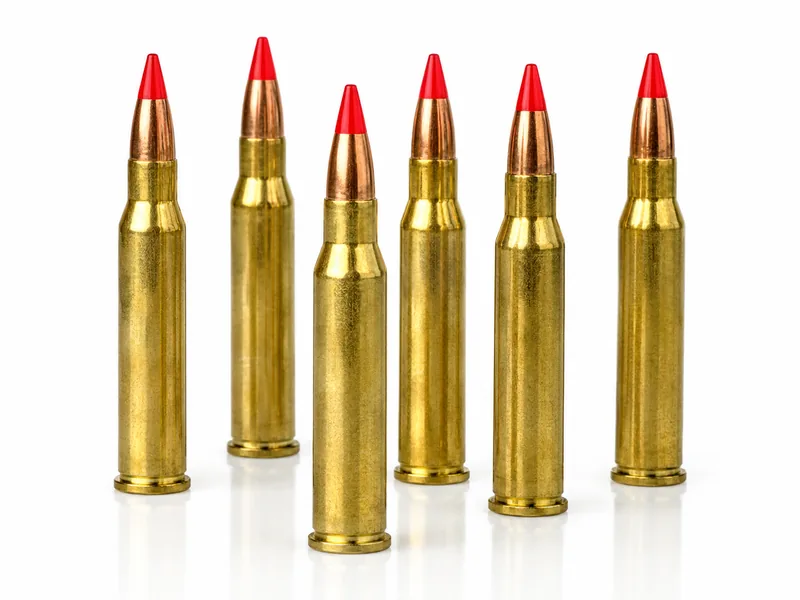
Plinking, match, subsonic, small game — .22 LR through .17 HMR. Skip the guesswork and the marked-up 50-round boxes.
Shop Rimfire Ammo Cost-Per-Round CalculatorThe right rimfire load depends on the job. Pick your lane.
Cases and loose packs for high-volume plinking and training. Best cost per round on the market.
Shop Bulk .22 LR
Standard-velocity match loads for bullseye, benchrest, and rimfire competition.
Shop Match & Target
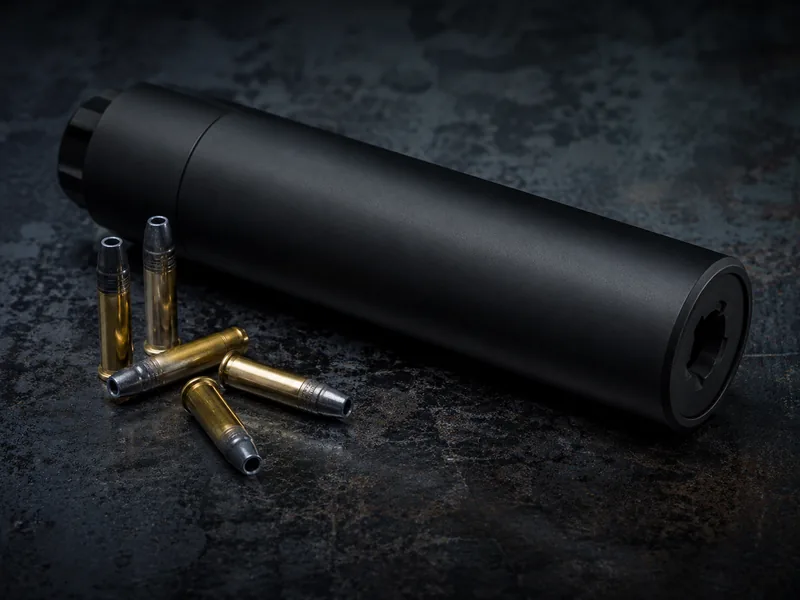
Below the sound barrier for suppressed rifles and quiet backyard pest control.
Shop Subsonic
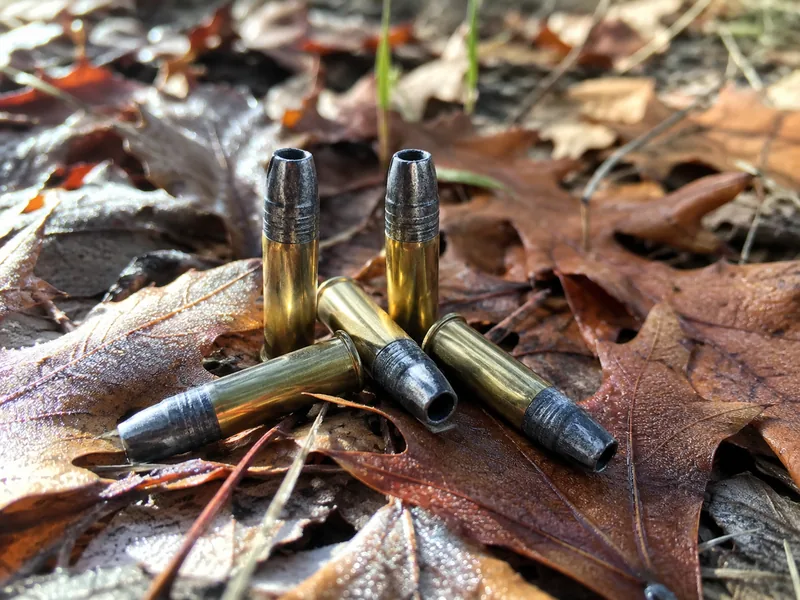
Hollow points and hunting loads for squirrel, rabbit, and small-game seasons.
Shop Small Game & Hunting
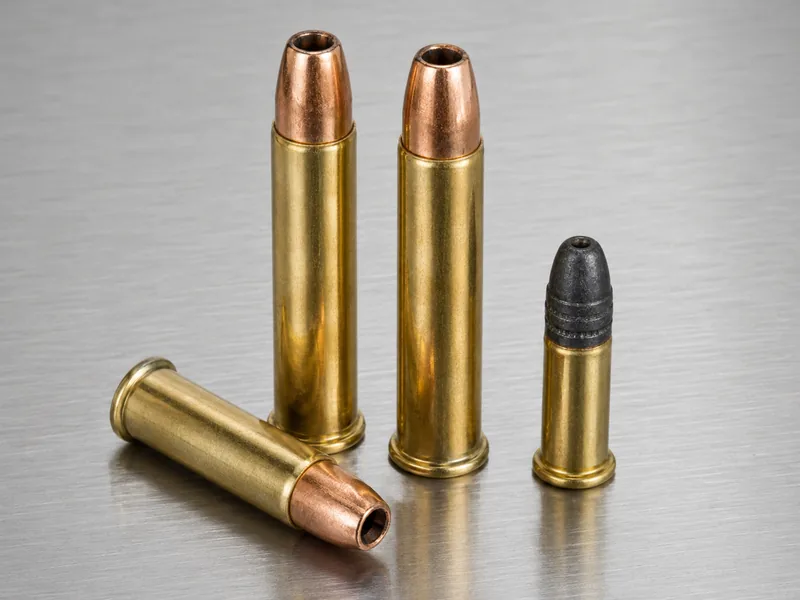
The magnum rimfire — flatter, faster, harder-hitting than .22 LR.
Shop .22 WMR
Blistering velocity and laser-flat trajectory for varmints past 150 yards.
Shop .17 HMRProven loads across every price tier. Prices move constantly — always check the current listing.
The sweet spot between a 50-round box and a full case. Reliable plated hollow points that feed in everything.
Check current pricePurpose-built for semi-auto rimfires. Case pricing drives cost per round into penny territory.
Check current priceThe reliability benchmark. When a rimfire won't run anything else, it runs Mini-Mags.
Check current priceSub-1,050 fps for suppressed shooting without the supersonic crack.
Check current priceBudget-friendly subsonic that still expands. A staple for suppressed 10/22s.
Check current priceCopper-polymer projectile at 1,850 fps. Lead-free for restricted areas and indoor ranges.
Check current priceThe pallet-tier buy. One case covers a season of weekly range trips.
Check current priceMassive-volume Mexican manufacturer with match-grade consistency at plinking prices.
Check current priceCompare a small box against a bulk case and see the real break-even. Enter any two options.
Five guns that cover the entire rimfire spectrum — plinking, target, training, and tradition.
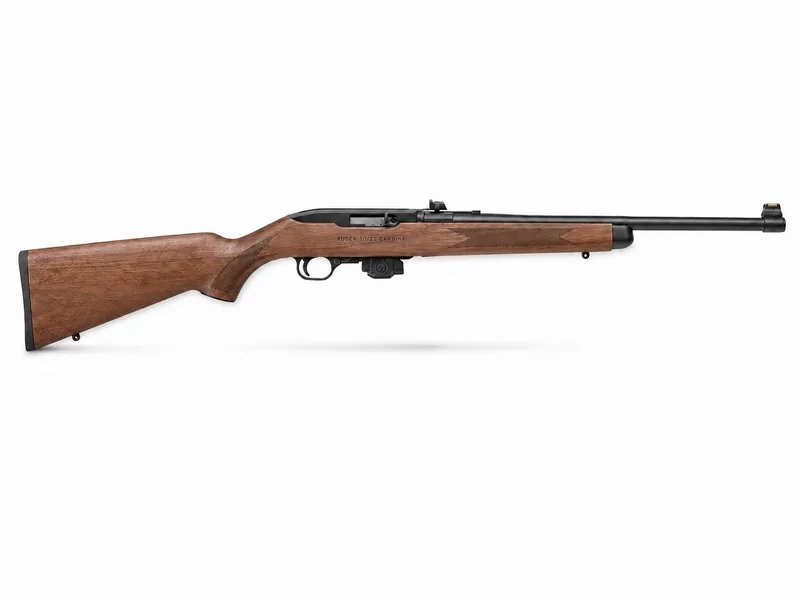
The default first rifle in America. Millions sold, infinite aftermarket, runs forever.
View current availability
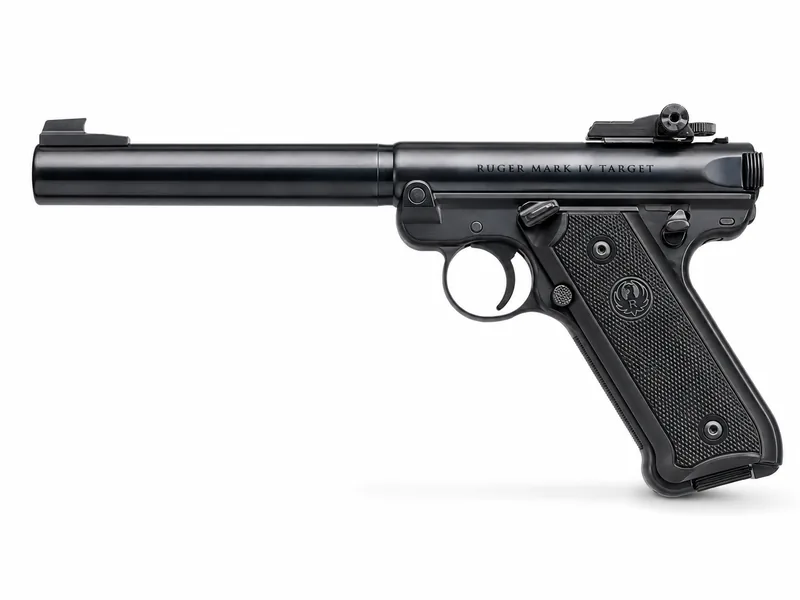
Heavy bull barrel, adjustable sights, one-button takedown. The definitive .22 target pistol.
View current availability
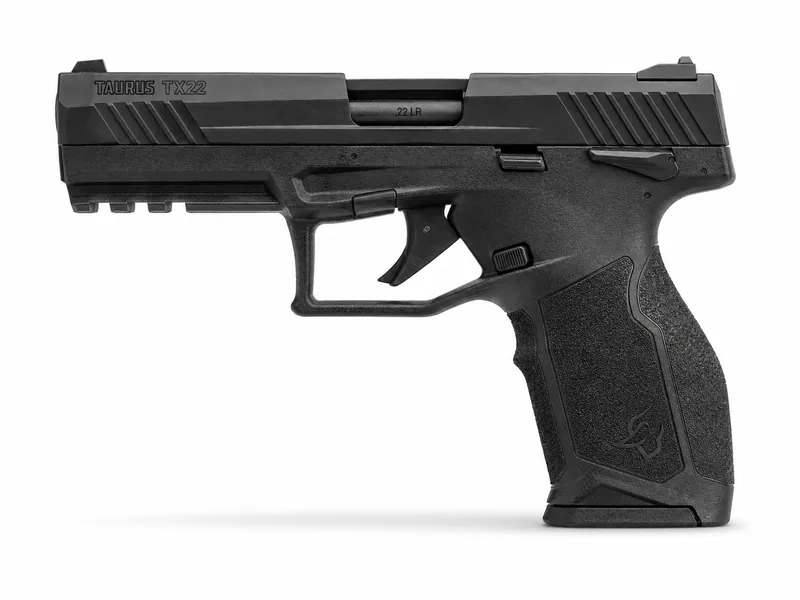
Polymer striker-fired .22 with a 16-round magazine and a trigger that embarrasses guns twice its price.
View current availability
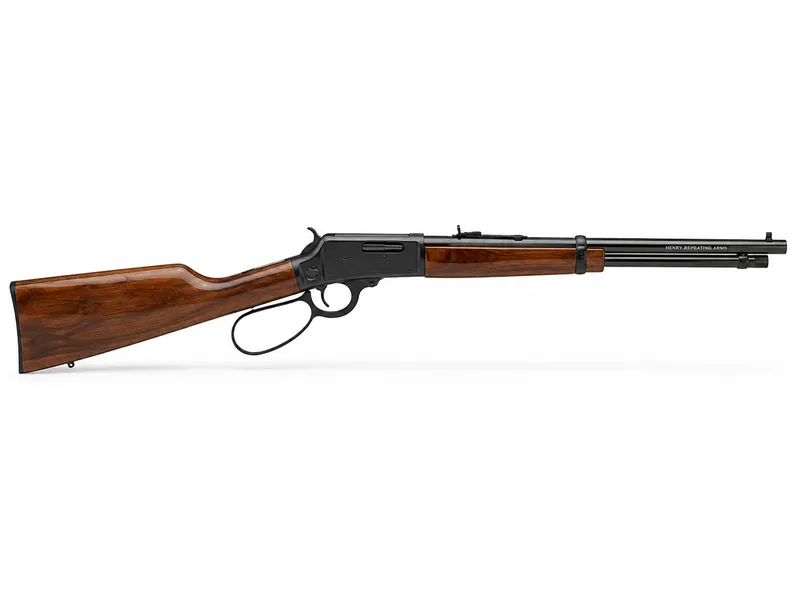
Tube-fed walnut-and-steel lever gun. Takes Short, Long, and Long Rifle interchangeably.
View current availability
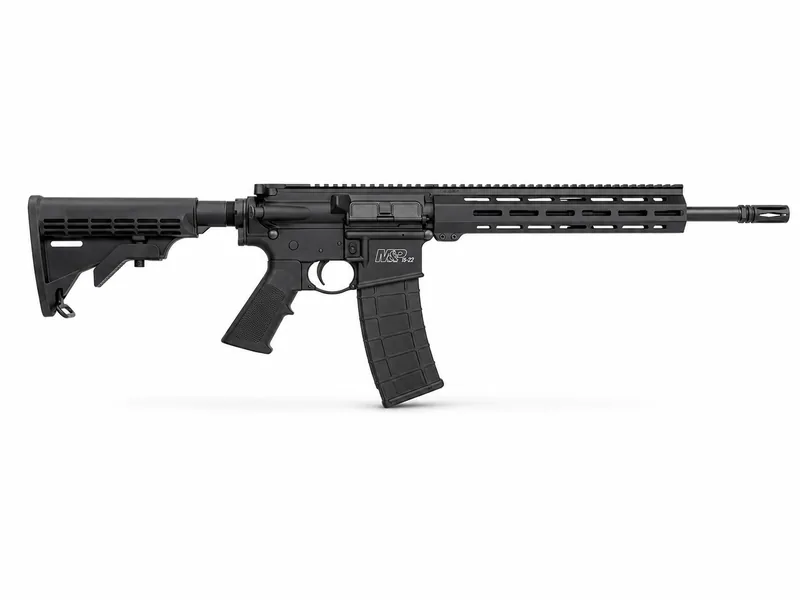
AR-15 controls and ergonomics at rimfire ammo prices. The smartest AR trainer ever made.
View current availabilityThe stuff people actually ask before buying a case.
.22 LR is the universal standard — cheapest, quietest, and chambered in more guns than any cartridge in history. .22 WMR (Magnum) uses a longer case for roughly double the muzzle energy. .17 HMR necks the WMR case down to a .17-caliber bullet at 2,550+ fps for a dramatically flatter trajectory on varmints. The three are NOT interchangeable — each requires a firearm chambered specifically for it.
Loose-pack bulk ammo is typically the same product line as boxed versions with less packaging. Rimfire priming is inherently less consistent than centerfire regardless of packaging, so occasional failures happen with any .22 — quality bulk from major makers runs fine in well-maintained guns. If a specific rifle is picky, it's usually the gun-and-load pairing, not bulk versus boxed.
Subsonic ammo stays below roughly 1,125 fps, avoiding the supersonic crack. Through a suppressed rifle the difference is dramatic. Without a suppressor, standard-velocity .22 LR (~1,070 fps from most rifles) is already near-subsonic, so dedicated subsonic loads matter most for suppressor owners.
Rimfire priming compound is spun into the case rim, and coverage isn't perfectly uniform — that's inherent to the design. A dud that fails on one strike will often fire when rotated and struck on a different part of the rim. Wait 30 seconds before clearing any misfire, and keep the muzzle downrange.
In most revolvers and tube-fed lever/bolt actions marked for it (like the Henry Classic): yes. In semi-automatics: generally no — they're tuned for .22 LR pressure and length, and shorter cartridges won't cycle reliably and may not feed at all. Check your firearm's barrel markings and manual.